Subscribe newsletter
    
Follow us on
Home   »  Press   »  News and Events » „Improving Criminal Justice Responses to Trafficking in Persons in South Eastern Europe with a Focus on Moldova”

„Improving Criminal Justice Responses to Trafficking in Persons in South Eastern Europe with a Focus on Moldova”

  print
06.12.2013   5918 Views  

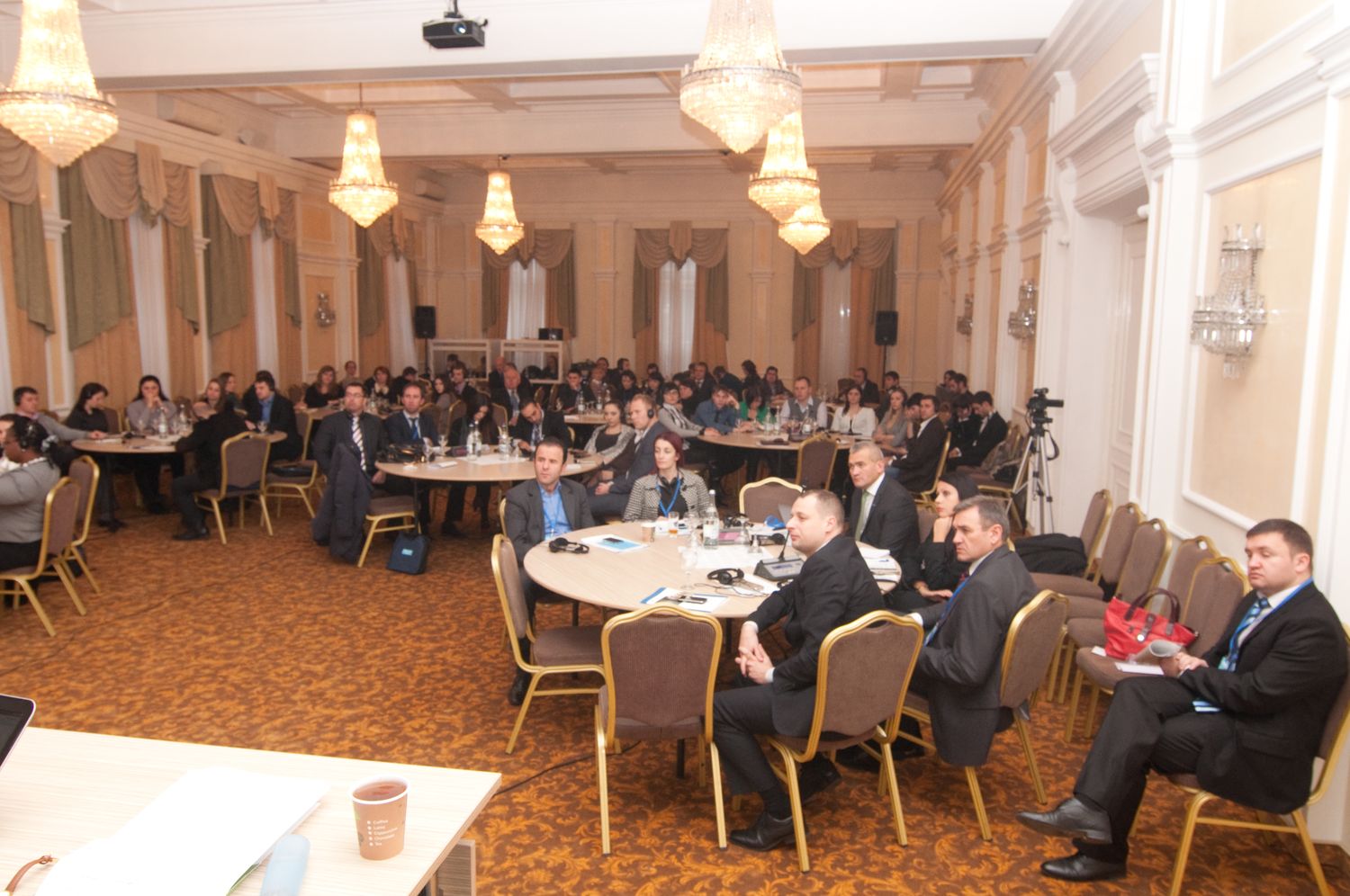
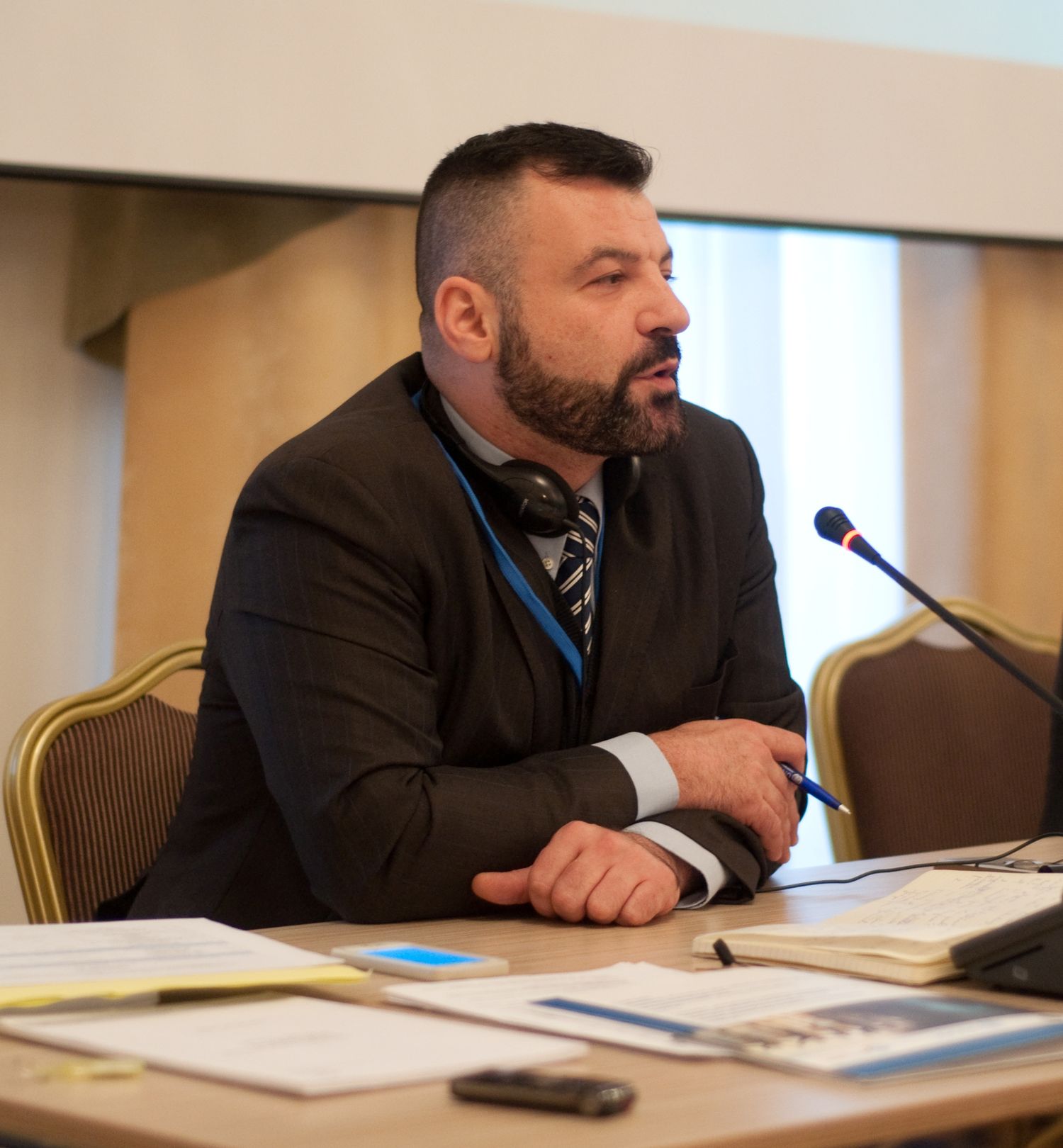
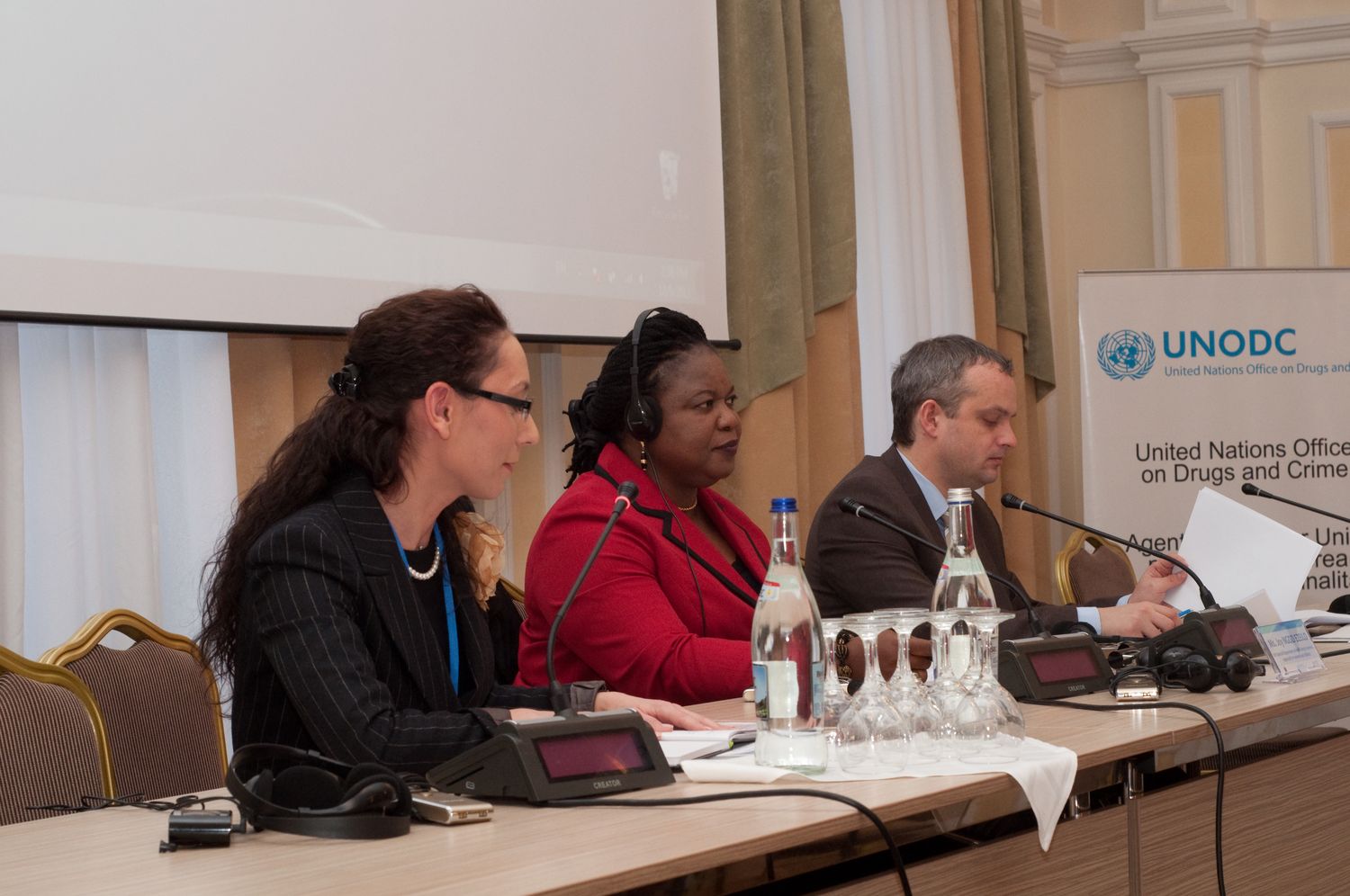
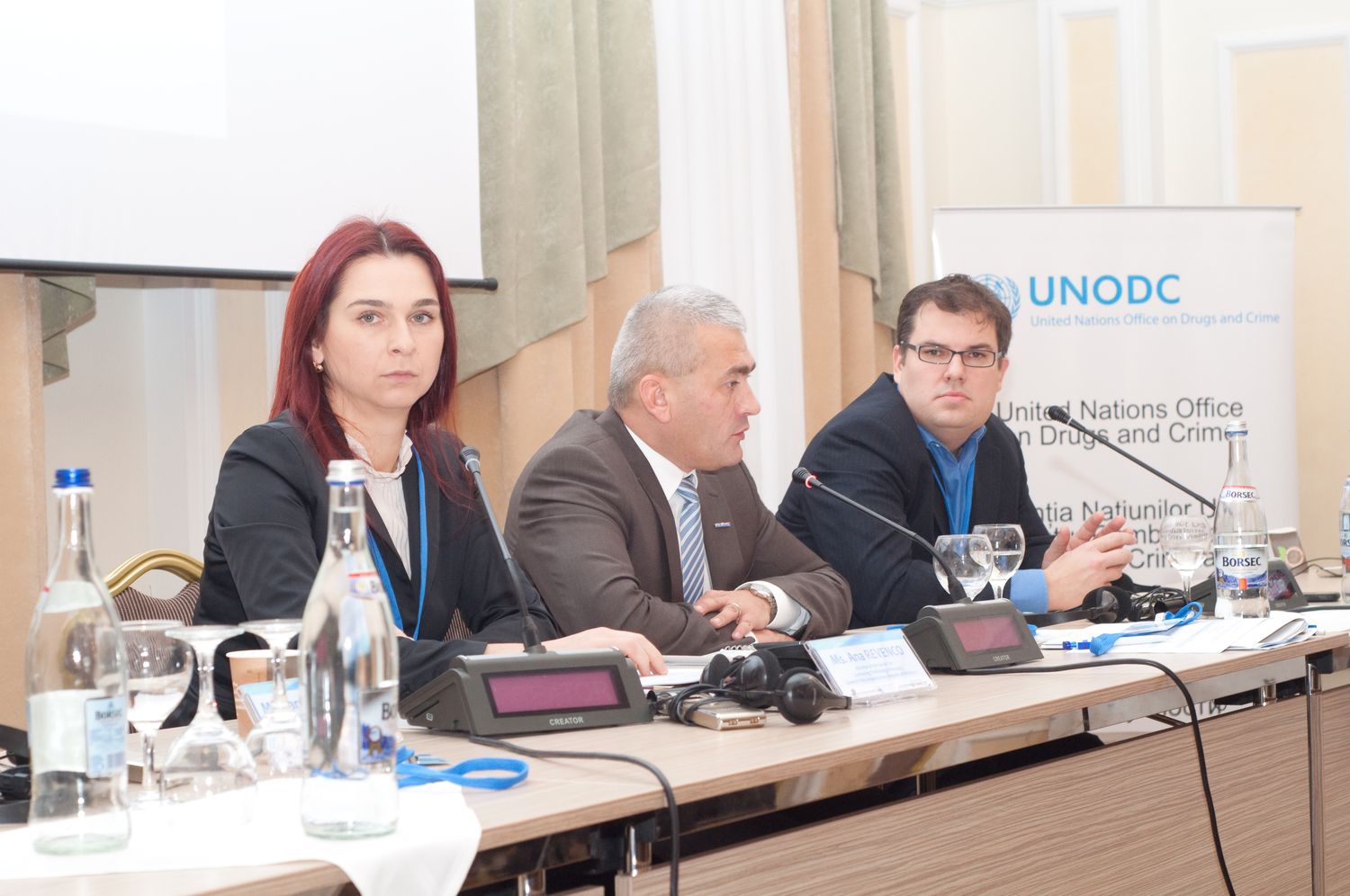
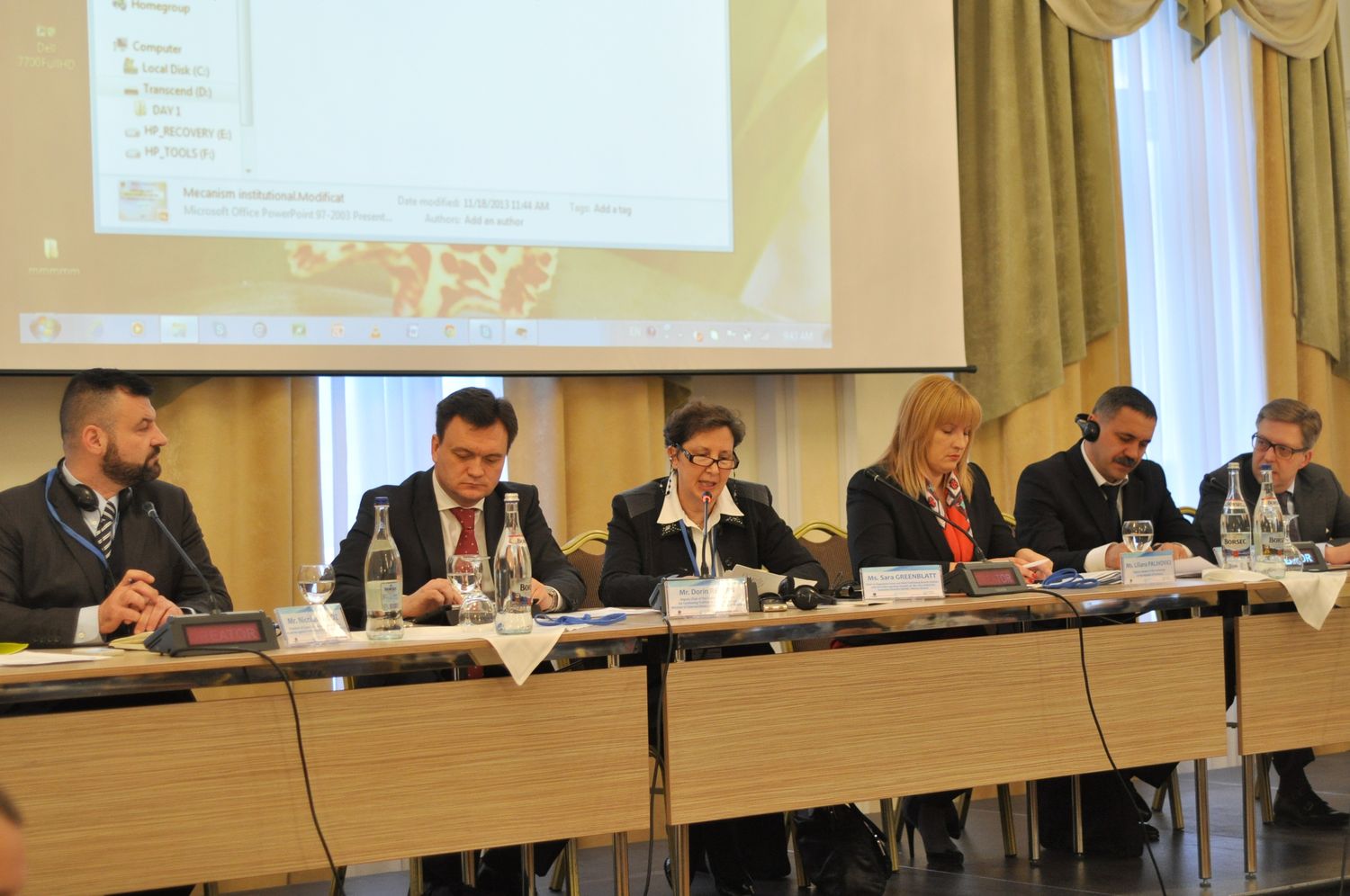
On 5-6 December 2013 the United Nations Office on Drugs and Crime (UNODC)  in partnership with the Government of the Republic of Moldova organized the Regional Conference on “Strengthening the Criminal Justice Response to Trafficking in Persons in South Eastern Europe – Combating Abuse of the Internet and Strengthening Cross-border Intelligence Sharing”. The event was organized under the project “Improving Criminal Justice Responses to Trafficking in Persons in South Eastern Europe with a Focus on Moldova”.


The Regional Conference with particular geographical focus on the South Eastern Europe (SEE) region aimed to improve coordinated answer to the most recent trends of trafficking in human beings (THB) through approaching the available modus operandi and to enhance cooperation between national and international anti-trafficking stakeholders by the means of:

 - criminal intelligence analysis;

- joint investigation teams (JIT), awareness-raising campaigns on abuse of on-line technologies;

- cooperation mechanisms between all stakeholders involved in assisting and protecting the victims of THB, including children, through human rights based approach;

- address the abuse of the Internet for trafficking in persons;

- best practices regarding the modalities of overcoming the existing challenges;

- strengthening the transnational cooperation between law enforcement agencies on protection and prosecutions issues.

The purpose of the Regional Conference was also to improve formal and informal regional cooperation between existing national coordination mechanisms and their criminal justice institutions that deal with human trafficking in the Republic of Moldova and other countries of the SEE region and the European Union. For this purpose, relevant national representatives, as well as the representatives of international and regional organizations and institutions exchanged their expertise and best practices in the effective use of formal and informal mechanisms for international law enforcement cooperation.


Mr. Nicolas LE COZ, President of the Council of Europe Group of Experts on Action against Trafficking in Human Beings (GRETA), Ms. Joy NGOZY EZEILO, UN Special Rapporteur on trafficking in persons, especially in women and children, as well as national experts and other specialists from more than 15 countries have participated in the Regional Conference.   

 The following conclusions were made as a result of the discussions held during the Regional Conference:
 

  1. Recognize human trafficking as a phenomenon that is one of the worst and gravest crime of our times, which takes various forms and evolves in parallel with globalization and technological revolution;
  2. Acknowledge that effective and efficient combating of human trafficking requires joining of efforts on national, regional and international levels with the aim to curb the abuse of information technology;
  3. Encourage effective use of criminal justice organizations and institutions on a global, EU and regional level for efficient cooperation and intelligence sharing, and this conference could serve as an example of good practice for enhancement of cooperation and collaboration;
  4. Reaffirm that continuous intelligence and data analysis, sharing of best practices, and the coordinated responses of law enforcement, prosecution and judiciary is of utmost importance for evidence-based and strategic action;
  5. Participants recognize the UNODC Global Report on Trafficking in Persons as a valuable global source of data to identify trends and patterns, and invite all states to provide reliable and segregated data to the report;
  6. Universal ratification of UNTOC & TIP Protocol, as well as Council of Europe Convention, and to the extent possible EU legislation, is perceived as a precondition for efficient combating trafficking in persons, in particular concerning mutual legal assistance and use of special investigative techniques;
  7. Protection of victims of human trafficking, in particular through due respect to gender perspective, strong child protection and Human Rights Based Approach with an emphasis to a right to effective remedy should be placed at the heart of all interventions of law enforcement, prosecution and judiciary;
  8. Recognizing a need for constant and specialized training of law enforcement, prosecution and judiciary professionals, especially in use of new technologies as evidence including through cross-border proactive investigations and intelligence sharing;  
  9. Necessity of addressing demand in the destination countries, and in parallel addressing the root causes for human trafficking and protection and compensation for victims is essential for comprehensive fight against human trafficking;
  10. Acknowledge importance of prevention efforts through raising awareness for the society among vulnerable groups, including by education of adults and partnership with the private sector, especially with internet and mobile phone providers.


antitrafic, Combats trafficking in women and children, Campanie de conştientizare a fenomenului de trafic de persoane, antitrafic moldova, antitrafic gov md